Paper Quality Guide
Understanding paper weight helps you choose the right material for your project. GSM (grams per square meter) and lb (pounds) are two common measurements of paper thickness.
Pro Tip: Higher GSM = thicker, heavier paper. For reference, standard printer paper is around 80 GSM, while a typical business card is 300+ GSM.

75-90 GSM
20-24 lb text
This is the everyday paper you encounter in most offices and printers. It's lightweight, economical, and perfect for documents that don't need to last long.
How it feels:
Thin and flexible, similar to standard printer paper. Can see through it when held up to light.
Perfect for:
- Internal memos and reports
- Draft copies
- General office printing
- Bulk correspondence
100-120 GSM
28-32 lb text
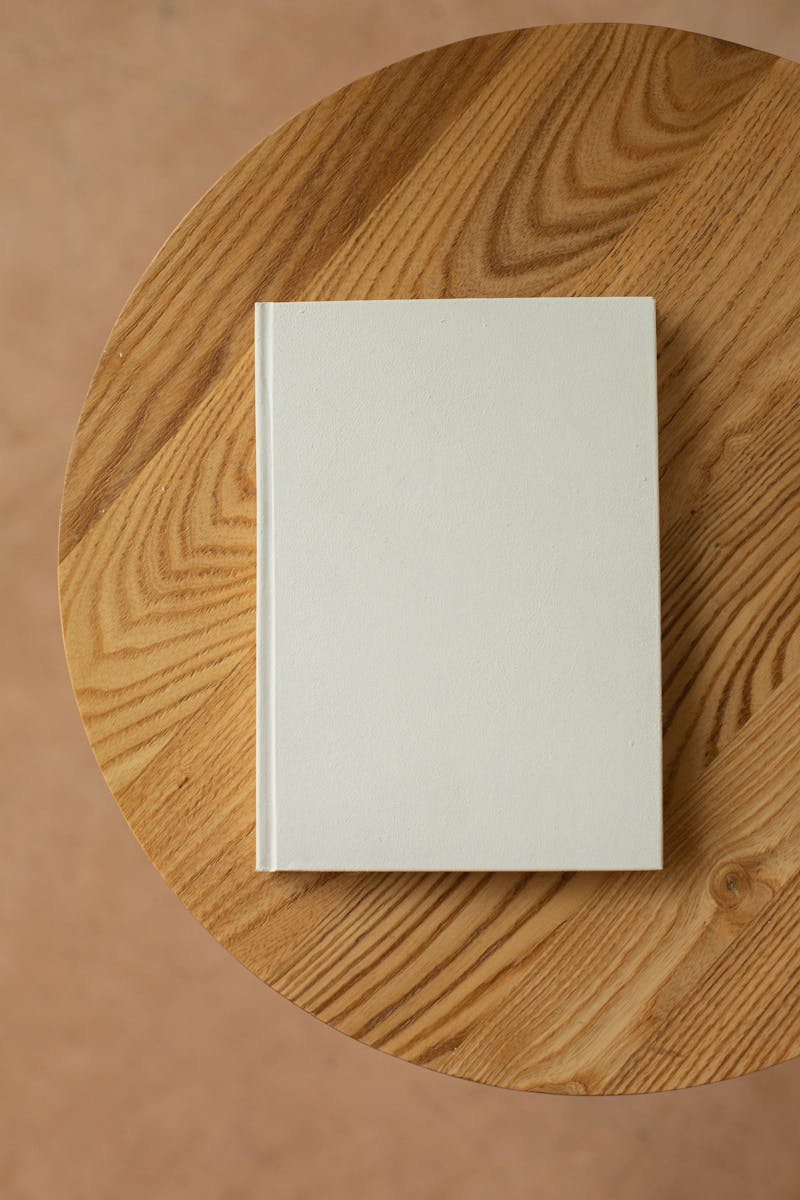
A step up from standard copy paper, this weight feels more substantial and professional. It's the sweet spot for business communications.
How it feels:
Noticeably sturdier than copy paper, with a quality feel. Still flexible but more opaque.
Perfect for:
- Professional letterheads
- Annual reports
- Presentations
- Resumes and CVs
- Proposals

120-150 GSM
32-40 lb text
This weight bridges the gap between text and cover stock. It's thick enough to feel premium but still flexible for folding.
How it feels:
Firm and substantial. Has a premium feel when handled. Good resistance to tearing.
Perfect for:
- Marketing flyers
- Event posters
- Brochures
- Magazine pages
- Certificates
170-200 GSM
65-80 lb cover
This is where we enter cardstock territory. It's sturdy enough to stand on its own but still flexible enough to fold cleanly.
How it feels:
Substantial cardstock feel. Can be folded but has good rigidity. Similar to light greeting cards.
Perfect for:
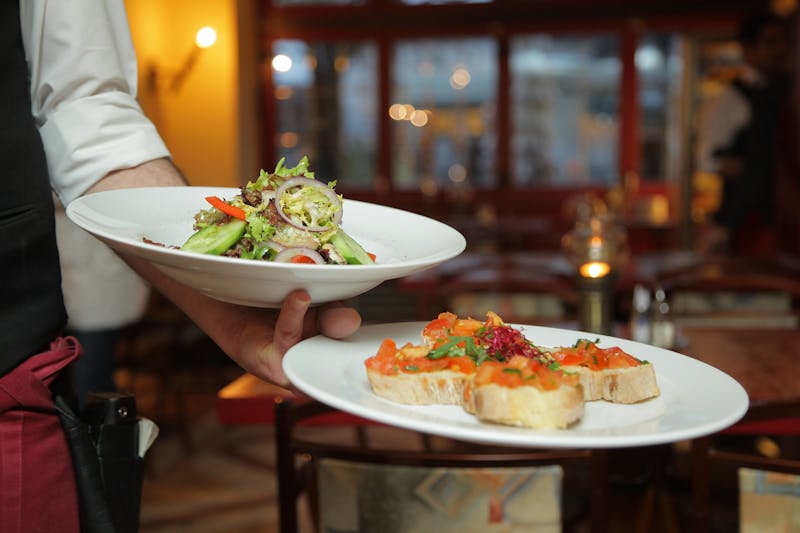
- Restaurant menus
- Tri-fold brochures
- Presentation folders
- Lightweight greeting cards
- Door hangers
200-250 GSM
80-100 lb cover
The standard weight for most greeting cards. It has a premium feel and excellent durability while still being foldable.
How it feels:
Classic greeting card thickness. Sturdy and premium. Folds cleanly with a quality crease.
Perfect for:
- Greeting cards
- Premium flyers
- Announcement cards
- Heavy-duty brochures
- Photography prints

300-350 GSM
110-130 lb cover
This is business card territory - thick, durable, and impossible to fold accidentally. It conveys quality and permanence.
How it feels:
Very thick and rigid. Similar to a credit card but slightly more flexible. Will not fold easily.
Perfect for:
- Business cards
- Postcards
- Product tags
- Hang tags
- Loyalty cards
- Membership cards

350-400 GSM
130-150 lb cover
The heavyweight champion of paper. This is the thickest commonly-used cardstock, reserved for the most premium applications.
How it feels:
Extremely rigid and premium. Similar thickness to a hotel key card. Maximum durability.
Perfect for:
- Luxury invitations
- Premium business cards
- Product packaging
- Rigid mailers
- High-end announcements
- Collectible cards
Quick Reference Chart
| GSM Range | Approx. lb Weight | Common Uses |
|---|---|---|
| 75-90 GSM | 20-24 lb text | Standard office/copy paper |
| 100-120 GSM | 28-32 lb text | Reports, letterheads, higher-quality everyday prints |
| 120-150 GSM | 32-40 lb text | Flyers, brochures, posters |
| 170-200 GSM | 65-80 lb cover | Light cardstock, menus, folded handouts |
| 200-250 GSM | 80-100 lb cover | Greeting cards, premium flyers |
| 300-350 GSM | 110-130 lb cover | Business cards, postcards |
| 350-400 GSM | 130-150 lb cover | Premium invitations, packaging |
Paper Folding & Binding Types
The way your document is folded or bound can dramatically affect its presentation and functionality. Choose the style that best suits your project needs.
Flat (No Fold)
Single PageA single, unfolded sheet perfect for maximum visual impact. Ideal when you want your design to be seen all at once without any creases.
Best For:
- Posters and announcements
- Single-page flyers
- Certificates and awards
- Large format prints
Half-Fold
Classic FoldA simple fold down the middle creating 4 pages. This is the most common fold style, creating a classic booklet format that's easy to hold and read.
Best For:
- Greeting cards
- Event programs
- Simple brochures
- Thank you cards
Gatefold
Premium FoldTwo panels fold inward to meet in the middle, creating a dramatic reveal when opened. This creates a premium, sophisticated presentation with a "grand opening" effect.
Best For:
- Wedding invitations
- Product launches
- High-end presentations
- Special announcements
Z-Fold
Accordion StyleTwo parallel folds create a zig-zag pattern (like the letter Z) with 6 panels. This accordion-style fold allows for sequential information flow and fits easily in standard envelopes.
Best For:
- Tri-fold brochures
- Step-by-step guides
- Menu cards
- Travel information
Calendar Binding Options
For calendars and multi-page documents, we offer professional binding options:
O-Ring Binding
Wall-MountableMetal or plastic ring at the top allows the calendar to hang on a wall and pages to flip easily. The most popular choice for wall calendars due to its durability and ease of use.
Advantages:
- Easy page turning
- Professional appearance
- Durable for year-round use
- Built-in hanging mechanism
Saddle Stitch
Booklet StyleWire staples through the fold create a booklet-style binding. This method is economical and creates a clean, flat presentation when opened. Ideal for desk calendars and smaller formats.
Advantages:
- Cost-effective option
- Lays completely flat when open
- Clean, professional look
- Perfect for desk calendars
Still Not Sure?
We're here to help! If you're unsure which paper quality or folding type is right for your project, feel free to add details in the Special Instructions section of your order, or contact our team for personalized recommendations.